Course Content
PRACTICE QUESTIONS
Neighborhood
In this lesson, students will learn how to describe their neighborhood, talk about local amenities, and discuss community life. The lesson includes a warm-up activity, vocabulary and phrases, roleplay scenarios, a debate section, and a reflection activity to improve fluency and confidence in speaking.
0/5
Restaurant
In this lesson, students will practice speaking naturally about restaurants. They will describe images, learn essential vocabulary, engage in roleplay scenarios, participate in debates, and reflect on their performance. This lesson will help students feel more confident discussing dining experiences in an OPIc test.
0/5
Family
This lesson will focus on discussing family, an essential topic in daily conversations and OPIc tests. Students will practice describing their families, using key vocabulary, and engaging in real-life speaking scenarios. By the end of the lesson, students should feel more confident talking about their families naturally.
0/5
Shopping
In this lesson, students will learn how to confidently talk about shopping experiences, describe products, ask for help in stores, and express opinions on shopping preferences. This lesson includes a warm-up activity, vocabulary-building exercises, roleplay scenarios, a debate, and a self-reflection section.
0/5
Sports
This lesson focuses on the topic of sports and aims to help students speak naturally and confidently about their favorite sports, sporting events, and their experiences with sports. The lesson includes a warm-up activity, useful vocabulary and phrases, roleplay scenarios, a debate section, and a reflection section.
0/5
Doctor
In this lesson, students will practice discussing health-related topics, describing symptoms, and interacting with medical professionals. The lesson includes vocabulary building, roleplay exercises, and a debate section to help students develop confidence in real-life medical situations. By the end of the lesson, students will be able to effectively communicate their health concerns and understand basic medical instructions.
0/5
Internet
This lesson explores the impact of the internet on our daily lives, communication, and work. Students will practice describing images, learn relevant vocabulary, engage in roleplay scenarios, and participate in debates about internet-related topics.
0/5
Dentist
In this lesson, students will learn how to discuss their experiences at the dentist, describe dental procedures, and express concerns about dental health. The lesson includes a warm-up activity, useful vocabulary and phrases, roleplay scenarios, a debate section, and a feedback reflection.
0/5
Music
This lesson will help students talk about music confidently in their OPIC test. They will practice describing musical elements, discussing preferences, and engaging in roleplay and debate activities related to music.
0/5
Technology
In this lesson, students will explore how technology affects their daily lives. They will practice describing images, learn useful vocabulary, engage in roleplay scenarios, and participate in a debate about the impact of technology. By the end of the lesson, students will be more confident in discussing technology-related topics in English.
0/5
English Language
In this lesson, students will learn how to discuss their experiences with learning English. They will practice describing their language-learning journey, expressing opinions about English as a global language, and engaging in roleplay scenarios related to studying English. This lesson will help students build confidence in speaking naturally and fluently about language learning.
0/5
Salon
In this lesson, students will learn how to talk about their experiences at a salon. They will practice describing different salon services, making appointments, and handling common salon-related conversations. Through vocabulary exercises, roleplays, and debates, students will develop their ability to speak naturally and confidently in salon-related situations.
0/5
Vacation
In this lesson, students will explore the topic of vacations — a popular subject on the OPIc test. They will describe vacation-related images, learn useful vocabulary and expressions, practice real-life roleplay scenarios like booking a trip or talking about past vacations, and engage in debates on travel topics. This lesson focuses on building natural fluency and confidence when talking about travel experiences, preferences, and plans — all vital for OPIc success.
0/5
Park
In this lesson, students will practice talking about going to parks — a common topic on the OPIc test under the "Leisure Activities" and "Daily Life" categories. Students will learn to describe outdoor scenes, use relevant vocabulary and phrases, roleplay everyday interactions, and express opinions on nature-related topics. This lesson helps learners become more confident when describing common outdoor experiences in English.
0/5
OET LET’S PREPARE: OPIc
0/1
PRACTICE TEST PROMPTS
OET OPIc PRACTICE TEST PROMPTS (Set 1-85)
0/1
오픽 OPIC

Class Structure

A. Target proficiency levels and OPIc scoring criteria
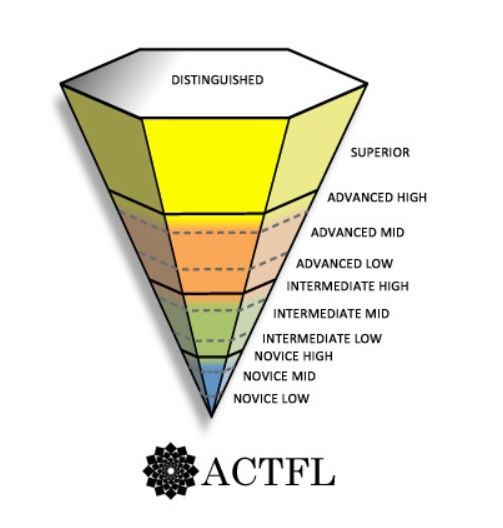
Novice: At the Novice level in the OPIc proficiency scale, language learners demonstrate basic speaking skills. They can communicate simple ideas and use memorized phrases to engage in everyday conversations. Novice speakers rely on a limited vocabulary and often require support to express themselves effectively.

Intermediate: Intermediate speakers in the OPIc possess a more developed language proficiency. They can sustain conversations on familiar topics and express opinions with increased accuracy and fluency. While they may encounter some challenges in handling complex language structures, they are capable of communicating in various social and practical situations.

Advanced: Advanced speakers exhibit a high level of fluency and accuracy in their target language. They can engage in in-depth discussions, present complex ideas, and express themselves effectively in both casual and formal settings. Advanced speakers demonstrate a broader vocabulary and a strong grasp of grammar, allowing them to communicate with ease and precision.

Superior: The Superior level reflects an exceptional command of the target language. Superior speakers can effortlessly handle intricate and abstract concepts, making them proficient in professional and academic discussions. They exhibit cultural awareness and adapt their language use to different audiences with remarkable accuracy and sophistication.

Distinguished: At the Distinguished level, language learners achieve the highest level of proficiency in the OPIc scale. They display a near-native command of the target language, possessing fluency, accuracy, and cultural competence comparable to that of a highly educated native speaker. Distinguished speakers can effectively convey complex ideas, demonstrate subtle nuances, and engage in sophisticated interactions across a wide range of topics and settings.


Assessment Factors

OPIc raters are certified via a rigorous certification process and are required to participate in quality assurance activities such as annual calibration events, virtual office hours, benchmarking activities, and other focused rater readiness activities.

Certified raters holistically consider assessment factors including function, accuracy,
content/context, and text type in order to award an integrative proficiency rating.

  • Function: OPIc raters consider the test taker’s ability to successfully fulfill the assigned tasks by using the functions outlined in the Guidelines. Are test takers able to engage in global tasks like asking questions, narrating, describing, persuading or supporting opinions, for example?
  • Accuracy: Accuracy should be understood as how well a speaker is understood. OPIc raters consider how features such as vocabulary, grammar, pronunciation, fluency, pragmatic competence, and sociolinguistic competence affect the overall comprehensibility of the message.
  • Content & Context: An OPIc rater considers the appropriateness of a test taker’s response. Is the response on topic? Is it appropriate for the context of the prompt?
  • Text Type: OPIc raters consider how much language a test taker can produce and how well it is organized.


These assessment factors are not evaluated in isolation; a test taker’s language ability is holistically evaluated based on the overall performance. A proficiency rating is awarded based on how all the factors contribute to the description of a speaker’s global proficiency.
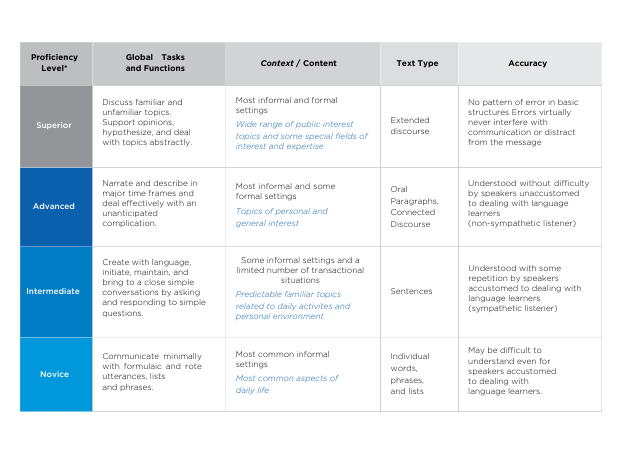
OPIc Assessment Criteria (table)Note. By ACTFL (n.d.), image, located at https://www.actfl.org/assessments/postsecondary-assessments/oral-proficiency-interview-computer-opic


Source: ACTFL Website. Oral Proficiency Interview – Computer (OPIc): https://www.actfl.org/assessments/postsecondary-assessments/oral-proficiency-interview-computer-opic